
Daily Weird News Report
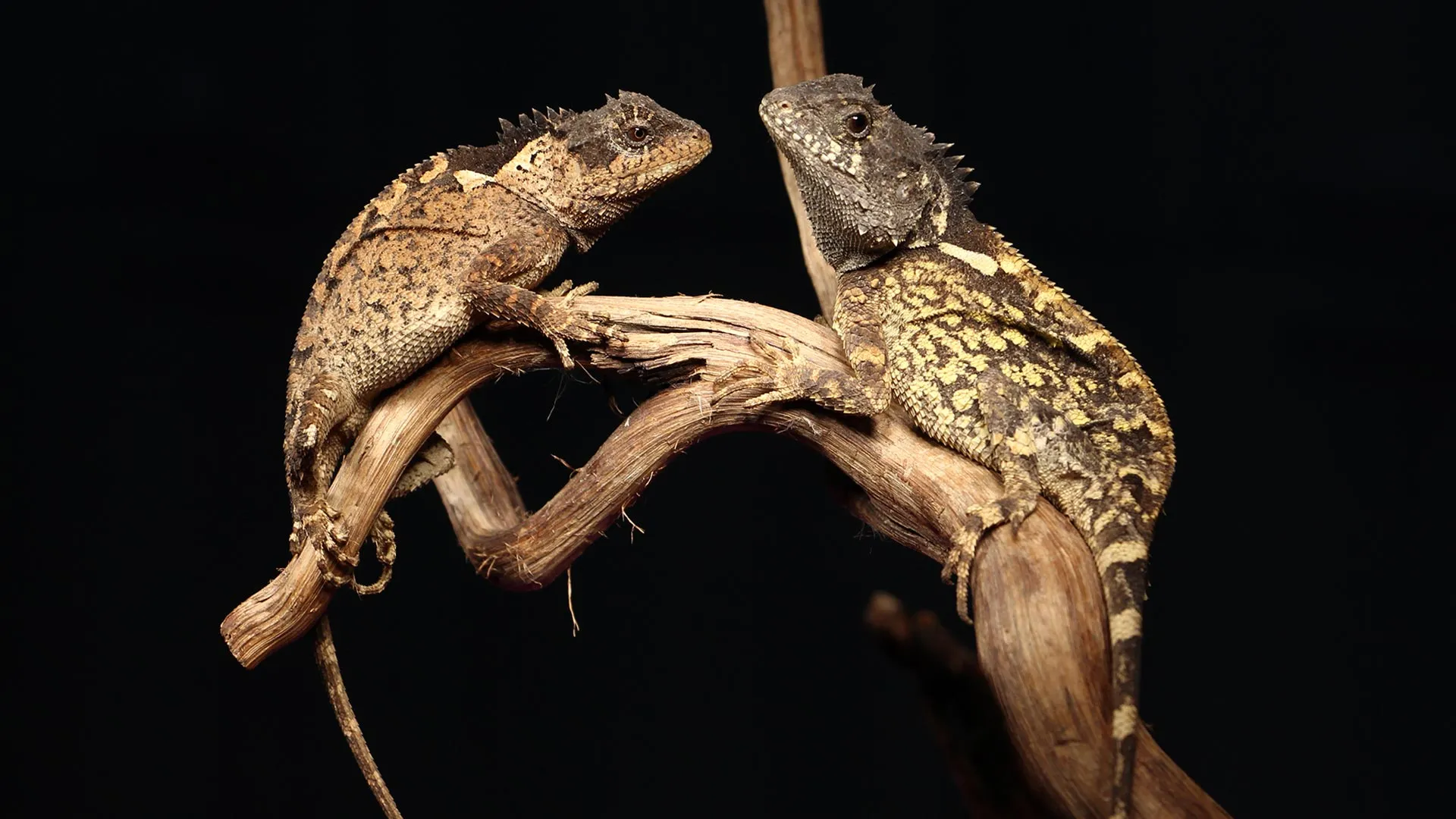
A lizard with a fantasy-inspired name has been identified in one of Thailand’s high mountain forests.
Researchers led by Poramad Trivalairat of Chulabhorn Royal Academy and Kasetsart University described the new species as Acanthosaura syrax. It was found in evergreen forest inside Mae Wong National Park, in Tak-Kamphaeng Phet Province, at elevations above 1,300 meters. So far, the lizard has not been recorded anywhere else.
The species belongs to the mountain horned dragons, a group of agamid lizards known for the spiny crests running along their necks and backs. The researchers proposed “Syrax mountain horned dragon” as its English common name, alongside a Thai name with the same meaning.
The scientific name refers to Syrax, the dragon ridden by Queen Rhaenyra Targaryen in House of the Dragon. According to the research report, the choice reflects several similarities between the fictional creature and the newly described lizard: A. syrax has yellowish-green coloring, is among the smallest members of its genus and produces comparatively large egg clutches for its body size.
The lizard also has the smallest neck and back crest scales documented so far in the Acanthosaura genus. It lacks the black eye patch seen in several related species and instead has a distinctive dark collar marking.
Researchers used physical characteristics and DNA analysis to distinguish it from other species. Testing of two genes indicated that A. syrax is genetically separate from its closest known relative, A. lepidogaster, as well as from the other recognized species in the group. Its discovery brings the number of species in the genus Acanthosaura to 23.
The researchers said the lizard appears restricted to a narrow band of high-elevation forest. They noted that rugged terrain separates populations across the mountain range, potentially leaving the species vulnerable if pressure on its habitat increases.
The team has called for stronger protection of Mae Wong’s high-elevation forests and suggested that the newly identified lizard could serve as a flagship species for conservation. The study was published in ZooKeys.

/https://tf-cmsv2-smithsonianmag-media.s3.amazonaws.com/filer_public/e5/61/e561f163-9c70-442d-b379-f78f81765787/rock-painting.jpg)