Daily Weird News Report
Microscopic analysis of reptile bones from a small settlement on northern Israel’s Mount Carmel suggests that Natufian hunter-gatherers hunted and ate snakes and lizards about 15,000 years ago, according to Archaeology Magazine, citing a statement from Kiel University.
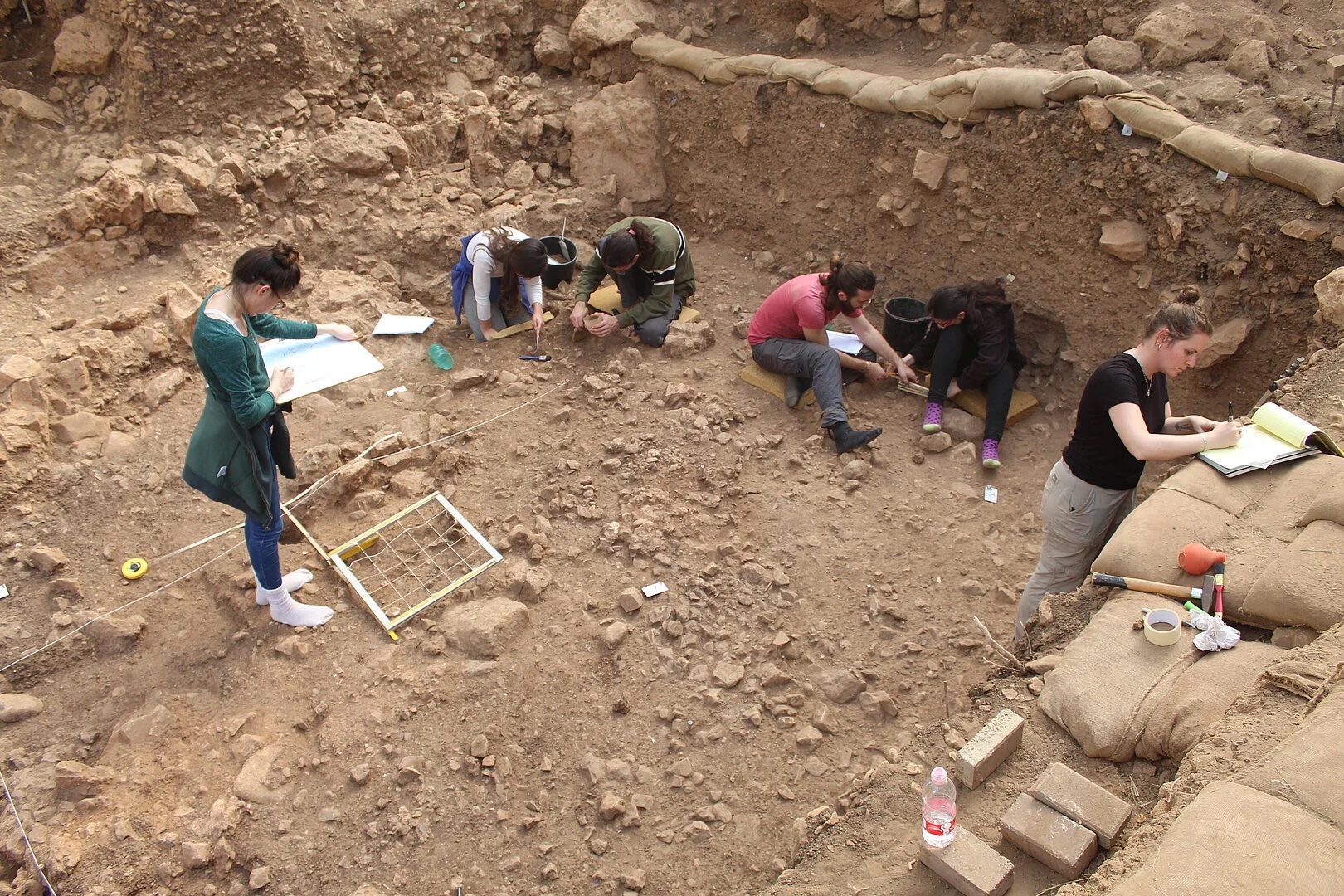
Researchers Maayan Lev of Kiel University and Mina Weinstein-Evron and Reuven Yeshurun of the University of Haifa examined thousands of lizard and snake bones recovered from settlement layers at ‘el-Wad Terrace. By studying the bones under microscopes, they distinguished marks left by natural damage or other animals from cuts that appear to have been made with flint knives.
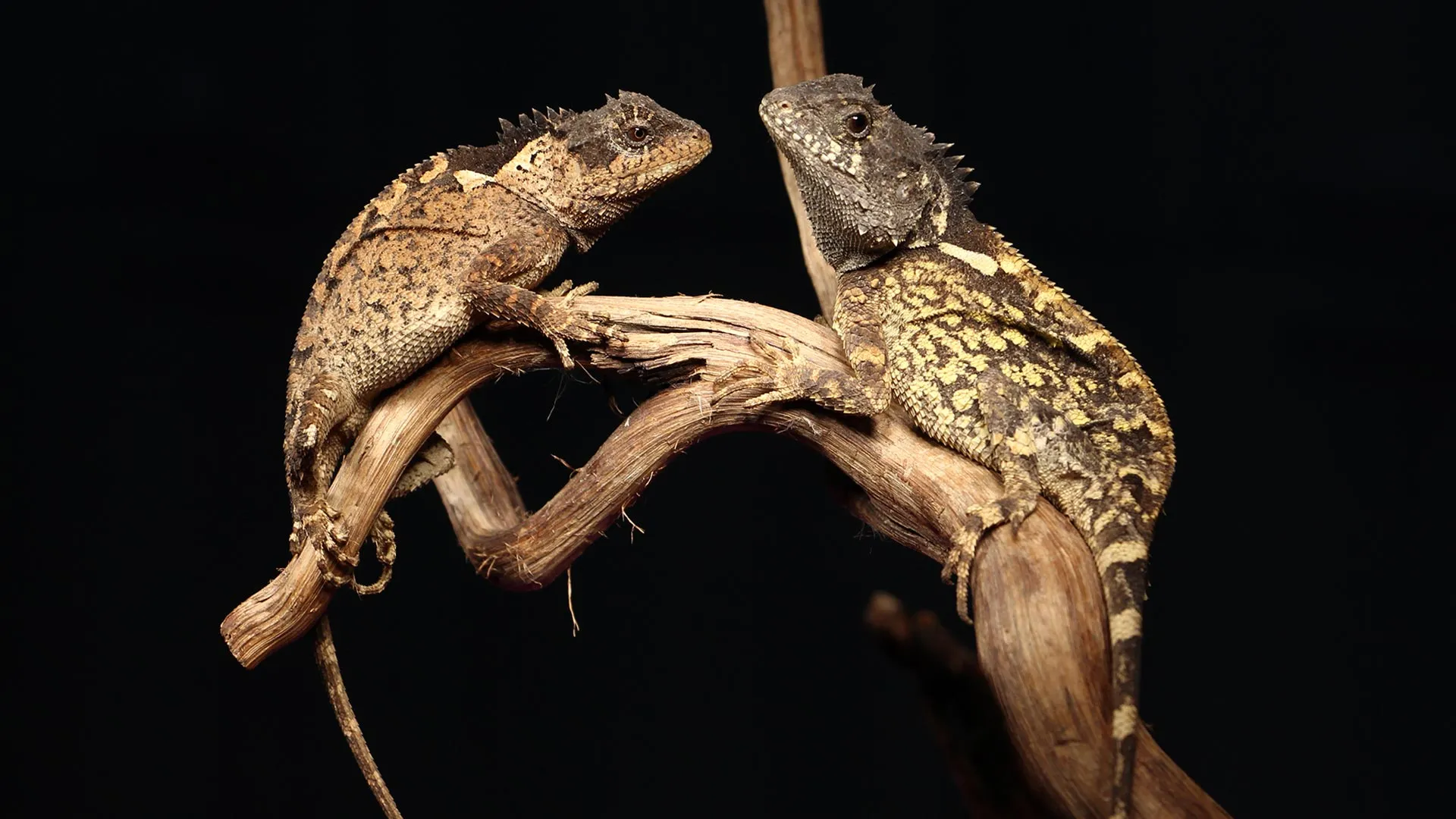
The butchery marks occurred in consistent locations on the bones of large snakes, the report said. Researchers also found evidence suggesting that European glass lizards, which have hard scales, were consumed.
Maayan Lev said reptiles may have become a more important part of the Natufian diet as these communities became more sedentary. According to Lev’s explanation, settling in one place may have reduced the range of food sources available compared with the variety accessible to more mobile groups.
The findings do not indicate that Natufians indiscriminately hunted every type of reptile. Lev said the researchers’ hypothesis is that people favored animals that were relatively large, slow-moving and not dangerous. Venomous snakes, including vipers, appear to have been caught only rarely, according to the report.
The researchers’ conclusions are based on the interpretation of microscopic marks on the bones. Those marks were used to differentiate reptiles that had been butchered by people from specimens that had died naturally or been eaten by mammals and birds.