Daily Weird News Report
Weapons found in the tombs of ancient Egyptian princesses may have been working equipment rather than ceremonial additions, according to research reported by ScienceDaily from a study in Frontiers in Environmental Archaeology.
The investigation examined six royal mummies originally discovered at Dahshur in the 1890s. The remains were later identified in the Egyptian Museum during a 2020 curation project. Four of the individuals were sisters and daughters of Pharaoh Amenemhat II, and their burial chambers contained objects including bows, arrows, daggers and maces.
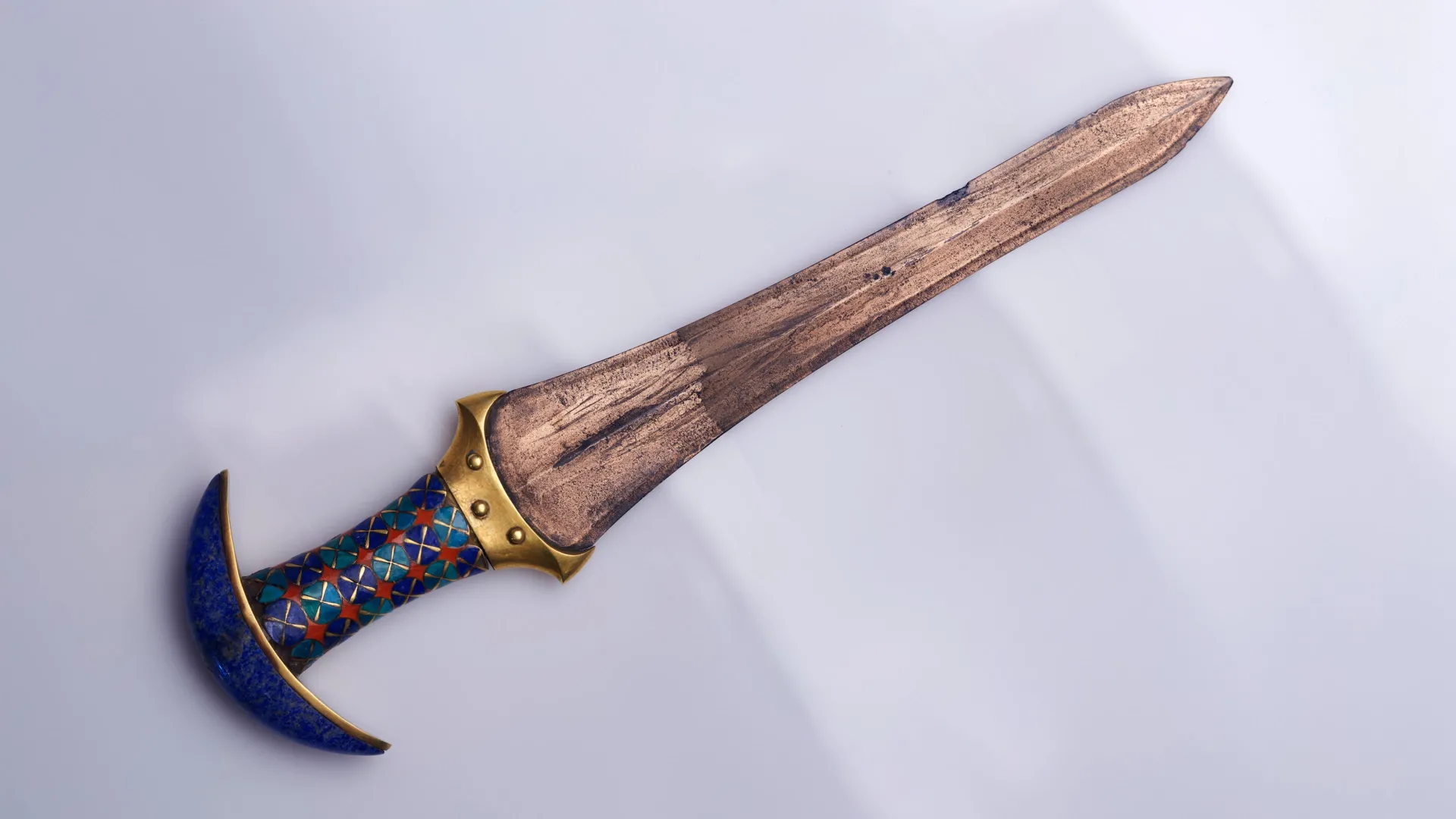
Princess Ita, for example, was buried with an ornate dagger. Her skeleton showed strongly developed upper-body muscle attachments, which researchers said were consistent with habitual use of weapons such as daggers or maces. Princess Khenmet, who was estimated to have been in her late 30s or 40s, had robust ligament attachments despite signs of thinning bones.
The remains of Princess Itaweret showed healed rib and foot fractures. Researchers described her skeletal development as consistent with skilled archery. Similar evidence of archery practice was found in the remains of Princess Noub-Hotep and King Hor, the two other individuals included in the study.
The bone patterns correspond to repeated, strenuous movements such as drawing a bowstring or stabilizing a weapon. On that basis, the researchers said the weapons placed in the women’s tombs may have reflected activities they practiced during life, rather than serving only as symbolic objects.
The injuries provide another indication that at least some of the royal women led physically active lives. The researchers said the fractures could have resulted from accidents, falls or impacts associated with hunting, military training or other demanding activities. Because the injuries had healed, the findings also suggest that the individuals received medical care that enabled recovery.
The mummies are incomplete: soft tissue had deteriorated, parts of the skeleton were missing, and the princesses’ skulls were lost in the early 20th century. The research team plans stable isotope analysis to investigate diet and nutritional deficiencies further. The study also noted rare spinal abnormalities shared by the sisters, which researchers said may reflect close biological relatedness within the royal family.