/https://tf-cmsv2-smithsonianmag-media.s3.amazonaws.com/filer_public/37/31/37310244-a744-4aff-883f-644ac47266a4/brianhie_image_2024-3.png)
Daily Weird News Report
Scientists have used artificial intelligence to design viruses that do not occur in nature, producing a group of bacteriophages capable of attacking E. coli in laboratory tests.
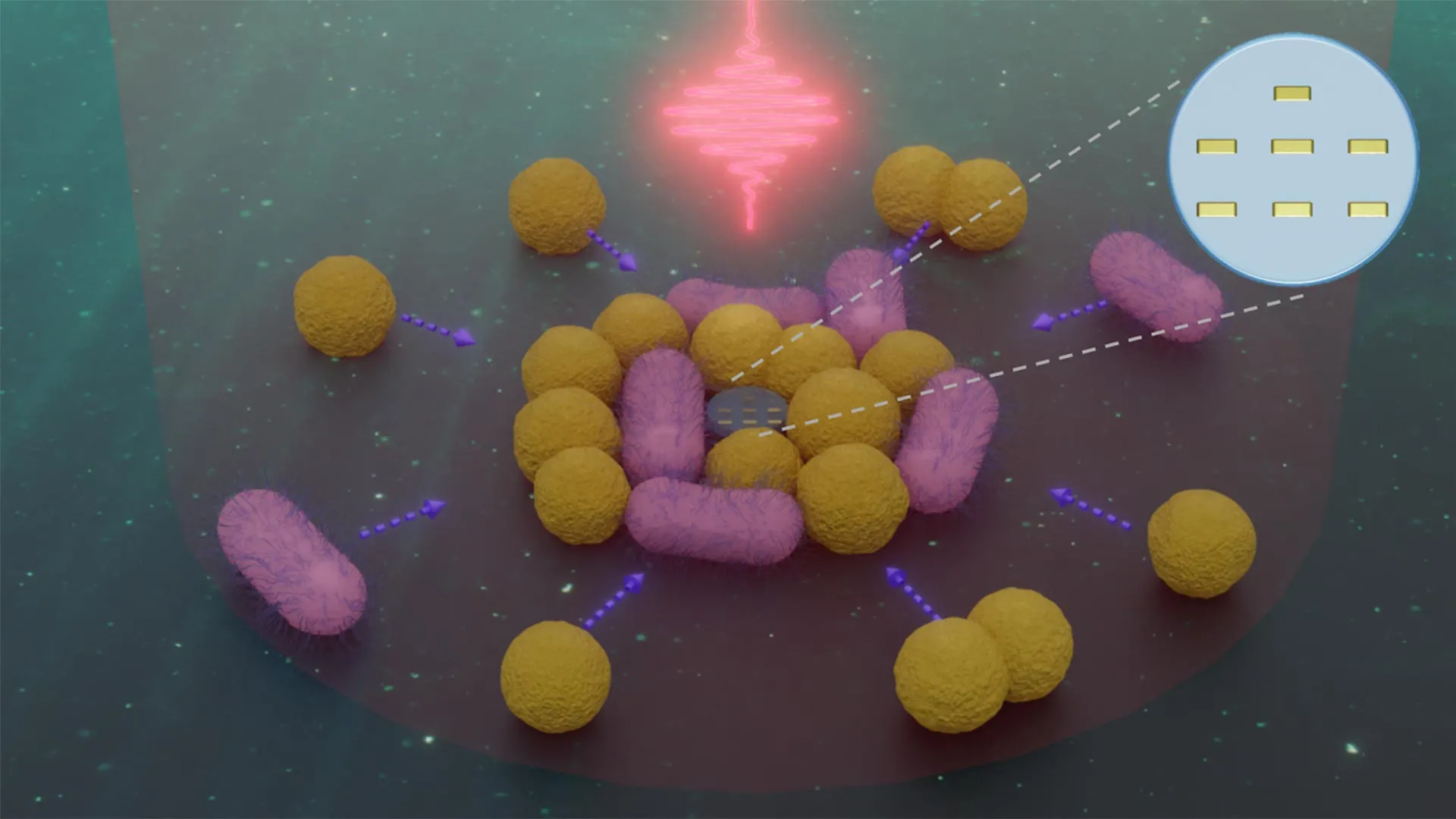
The work, described in the journal Science on August 6, used Evo 1 and Evo 2, AI models trained on trillions of DNA and RNA building blocks. Unlike language models that predict words, these systems generate patterns in genetic sequences.
Researchers focused on Phi X-174, a relatively simple bacteriophage that infects E. coli. Its genome contains roughly 5,400 base pairs, far fewer than the approximately three billion base pairs in the human genome. After asking the models to produce virus genomes resembling Phi X-174, the team selected 285 of about 700,000 proposed designs for laboratory construction.
Sixteen of the synthetic viruses successfully stopped E. coli from growing in Petri-dish experiments. Additional tests suggested that some multiplied and passed on their genetic material more effectively than the natural Phi X-174. A mixture containing the 16 engineered phages also attacked two antibiotic-resistant E. coli strains, while Phi X-174 and a mixture of natural phages did not do so in the reported tests.
The findings point to a possible use for AI-designed bacteriophages in developing treatments for bacterial infections, particularly as antimicrobial resistance makes some infections increasingly difficult to treat. A cocktail of genetically different phages could also make it harder for bacteria to develop resistance to the entire treatment, according to study co-author Brian Hie.
But the ability to create functional viruses has prompted concern about misuse. Isaac Bogoch, an infectious diseases specialist at the University of Toronto who was not involved in the research, said the technology could have medical benefits while requiring stronger safeguards, screening and oversight as it develops.
The researchers say certain genomes were excluded from Evo’s training data to prevent it from designing viruses capable of infecting humans, animals, plants or fungi. They also used additional precautions during experiments and described them as a possible biosafety framework.
The approach remains limited to a very small and simple viral genome. Tom Ellis, a synthetic genome engineer at Imperial College London who was not involved in the study, told Al Jazeera that designing a genome six times longer—such as the one belonging to the virus that causes Covid-19—would likely be about 100 times harder because of the added complexity. Whether the method can be extended to more complex genomes is not yet clear.