
Daily Weird News Report
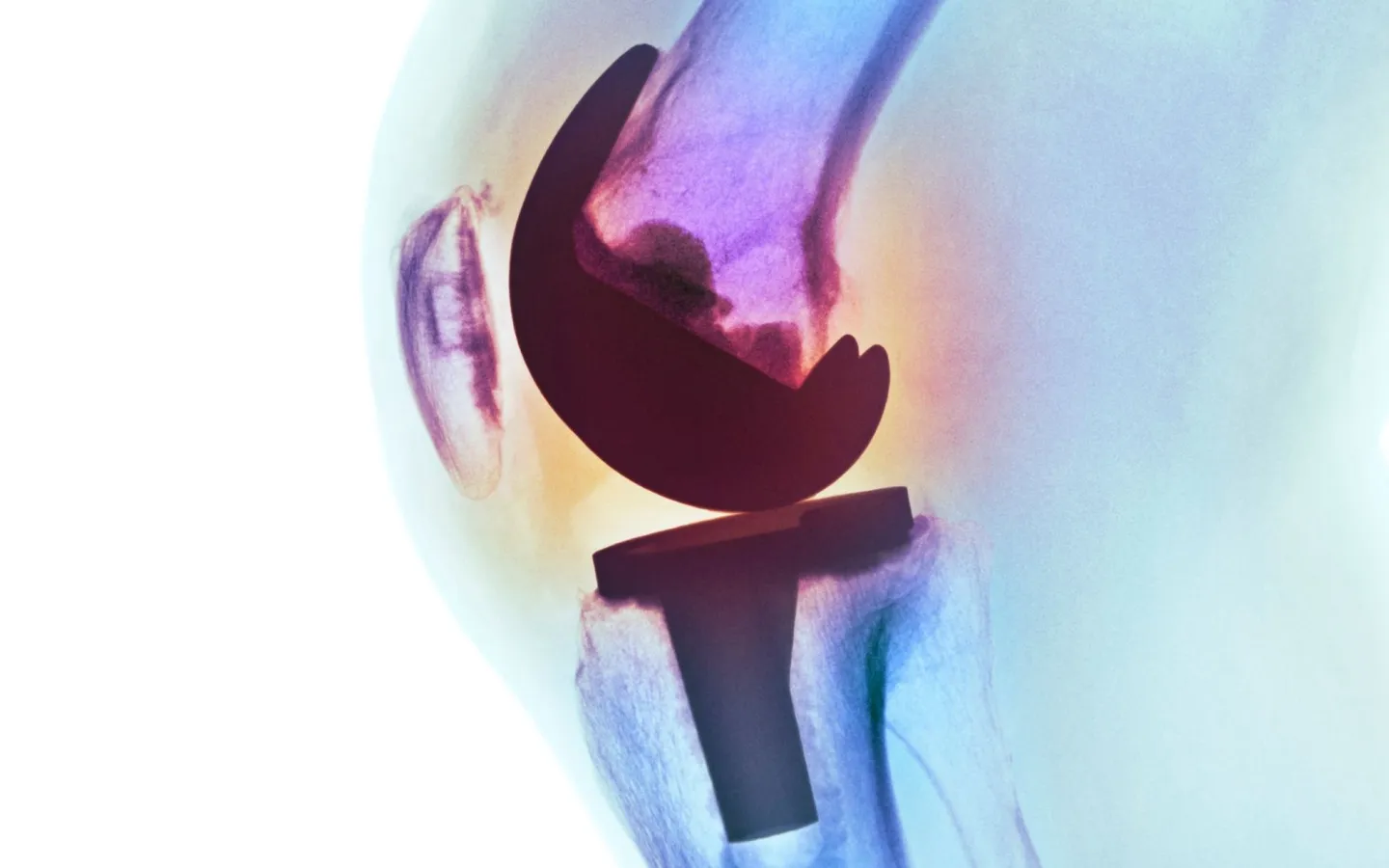
Metal particles released by joint replacements can travel beyond the body’s joints and reach brain tissue, according to a study involving researchers from the United States and Australia. The findings add new information to an unresolved debate about whether joint replacements could be connected to Alzheimer’s disease, but they do not show that the particles impair brain function.
Researchers analyzed autopsied samples from participants in the Rush Memory and Aging Project. Of 885 individuals considered, 701 had brain tissue included in the final metal analysis. Among them, 229 had received a total shoulder, knee or hip replacement, while 472 had no joint replacement and served as controls.
The implants examined involved alloys containing cobalt, chromium and molybdenum, as well as titanium, aluminum and vanadium. Using spectrometric analysis, the researchers found that cobalt concentrations were associated with total hip replacements across four brain regions. Tissue from people with those implants contained cobalt concentrations that were 8.9% higher, according to the study. Electron microscopy also identified cobalt particles in the samples.
Cobalt was additionally associated with a small increase in amyloid-beta proteins in the inferior temporal cortex. Titanium showed the opposite relationship, with lower amyloid-beta levels. The presence of either metal, however, was not associated with a change in cognition among the participants studied.
The researchers’ findings indicate that debris created through implant wear can cross into neurological tissue. Such particles are already known to collect around replacement joints and can be detected in blood and other organs, according to the source report.
Robin Pourzal, director of Implant Materials Analysis in the Department of Orthopedic Surgery at Rush University, said the study was the first to examine particles deposited in the brain. He described total joint arthroplasty as a successful and life-changing medical intervention, while also saying the results suggest that wear particles—particularly from some hip replacements involving accelerated wear—deserve further study.
The research, published in Acta Biomaterialia, did not establish that the particles cause Alzheimer’s disease or reduced cognitive ability. The source report said the results support the safety of joint replacements while leaving open questions about the possible effects of metallic debris on brain health.

/https://tf-cmsv2-smithsonianmag-media.s3.amazonaws.com/filer_public/ce/3a/ce3ad4ec-2ba5-4000-badb-8ce3dc4cdf41/metal.png)
