
Daily Weird News Report
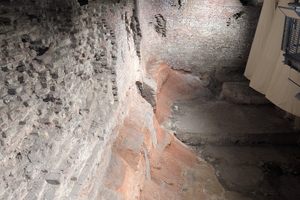
Beneath Liverpool ONE, one of the city’s largest shopping centres, are the surviving walls of an infrastructure project that changed Liverpool’s fortunes as a port.
According to Atlas Obscura, Liverpool had received its charter in 1207 with the intention of becoming a port city. For centuries, however, it struggled to compete with nearby Chester and lacked the facilities needed to handle ships efficiently.
Vessels anchored in the deeper water of the estuary, while smaller boats carried cargo between the ships and the city. The process could take weeks, making loading and unloading slow and cumbersome.
An ambitious solution was proposed in 1710: dam the tidal estuary beside Liverpool and construct a large enclosed port within it. The resulting brick-lined dock, measuring approximately 100 by 200 metres, opened to traffic by 1715.
Its enclosed design allowed ships to dock directly, unload their cargo and reload within a day. The improvement helped support Liverpool’s emergence as a major shipping centre, although the original dock was eventually overtaken by larger facilities built during the middle and late 18th century.
In 1825, the structure was filled in to make way for a grand new customs house. That building was later destroyed by German bombing during the Second World War.
The old dock’s walls remained below the site. They were discovered during redevelopment, and the preserved remains now sit beneath the modern shopping centre, linking Liverpool’s retail district with the foundations of the port that helped make the city a global shipping power.