Daily Weird News Report
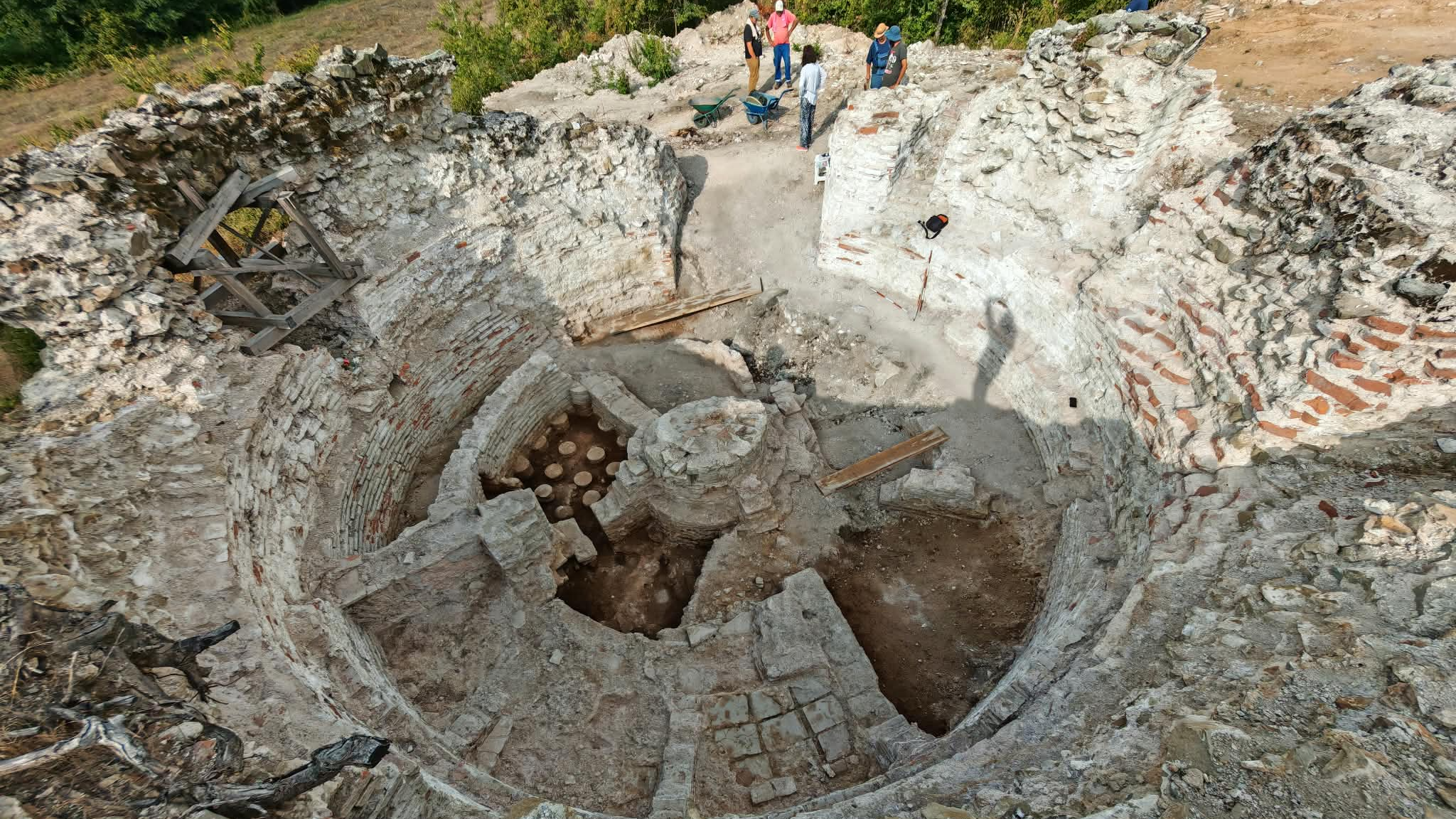
A private bath unlike any previously known Roman imperial bath has been uncovered inside a tower at the Vrelo-Šarkamen archaeological site in eastern Serbia, according to Live Science.
The site was once a fortified residential complex built in the early fourth century for Maximinus Daza, also known as Galerius Valerius Maximinus, who was Roman emperor from 310 to 313. Archaeologists from Serbia’s Institute of Archaeology made the discovery during recent excavations at the palace, which has been investigated intermittently for decades.
The bath, known in Latin as a balneum, occupied the lowest level of a monumental tower in the palace’s southwest corner. Its placement and shape stood out: ancient baths were generally arranged in a line of rooms, while this complex was circular. Researchers described the design as one they had not previously seen in the Roman Empire.
The suite was divided into an area for operating the baths and another intended for bathing and relaxation. In the equipment section, archaeologists found a furnace that heated the floors and the base of a copper boiler used to warm the water. The boiler itself is no longer present.
The bathing section contained three pools or tubs and a sudatorium, a room used as a steam bath or sauna. Above the complex was a domed ceiling with six windows, a feature the researchers said demonstrated considerable engineering skill.
According to information reported by Live Science from the Institute of Archaeology, the facility was more than a place for personal washing. Its design combined technical infrastructure, comfort and architecture in a private setting intended for the palace’s emperor and other high-status residents.
Maximinus Daza was one of the rulers in Rome’s tetrarchy, the system established by Emperor Diocletian in which the empire was administered by senior and junior emperors. He died in 313 after losing a civil war against Licinius.
Researchers plan to continue examining the bath complex to clarify how its rooms were arranged and how Maximinus and his family reached the facility.