Daily Weird News Report
More than 1,000 little penguins on Phillip Island in Victoria have received their first bird flu vaccination in what is believed to be the largest program of its kind involving wild birds, according to The Guardian.
The wider effort aims to vaccinate about 5,000 penguins on Phillip Island and at St Kilda against H5N1. Each bird is expected to receive two doses, with the second administered three weeks after the first. The program began in mid-August and is being carried out by trained teams working at night, when the penguins return from the sea.
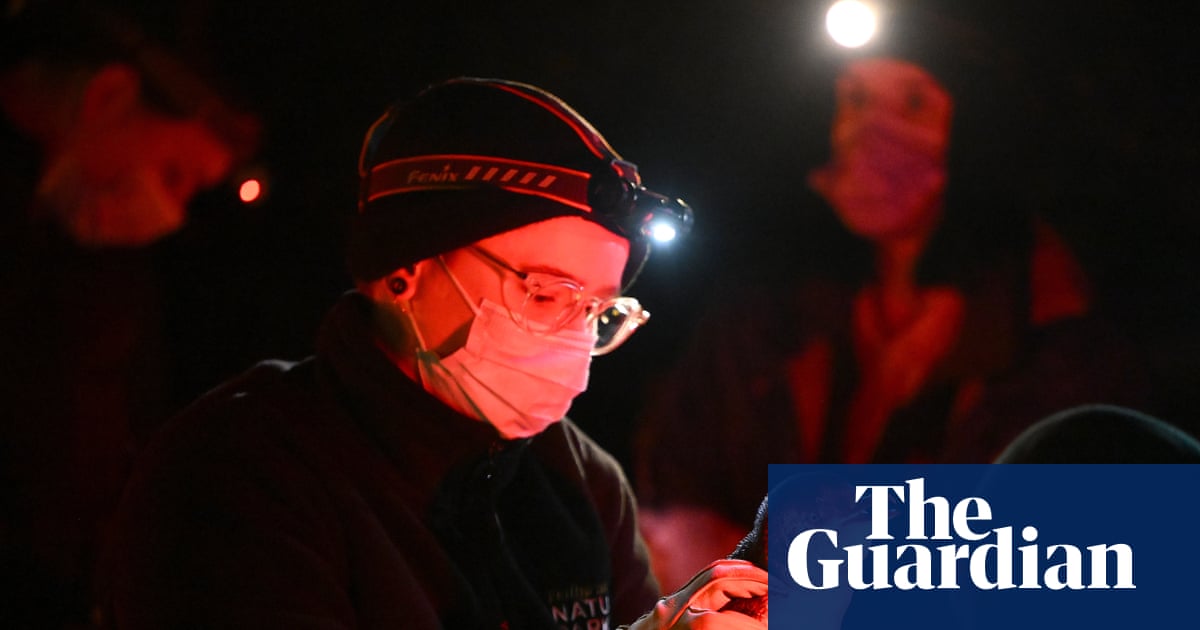
The birds are captured after coming ashore and placed in small enclosures. Rangers then weigh, measure, scan and microchip them before giving the injection and releasing them. About 300 penguins have been processed on recent nights. Their tendency to return to the same burrows makes it possible for teams to locate and handle the same birds again for the second dose.
Phillip Island Nature Parks chief executive Catherine Basterfield described the operation as difficult because the penguins are challenging to handle, but said trained staff had made the work possible. The Victorian government announced the program on 12 August, using vaccines supplied by Australia’s federal agriculture department.
The vaccination effort follows confirmed bird flu cases in the region, including one little penguin on Phillip Island. South Australia has also reported a confirmed case in a little penguin on Kangaroo Island. On Tasmania’s King Island, 51 little penguins died, with bird flu presumed responsible after one sample tested positive.
Little penguins are considered at very high risk from the virus under a national assessment. Phillip Island is home to about 40,000 of the birds, whose nightly “penguin parade” attracts roughly 700,000 visitors a year and contributes about A$500 million to Victoria’s economy.
Officials have stressed that vaccination is not a complete answer. A federal agriculture spokesperson called it one tool among others and said biosecurity remained essential. Victoria’s chief biodiversity officer also said the vaccine was not suitable for many other wild species at risk.
A report from the Arthur Rylah Institute said penguins could take 10 weeks to reach peak immunity and warned that vaccination after H5N1 arrives may come too late to prevent significant deaths. The report estimated that, in a worst-case scenario, as many as 16,000 little penguins could die.
/https://tf-cmsv2-smithsonianmag-media.s3.amazonaws.com/filer_public/cc/a5/cca51174-4295-4234-b8d2-eab719894c73/screenshot_2026-08-24_at_171648.png)