
Daily Weird News Report
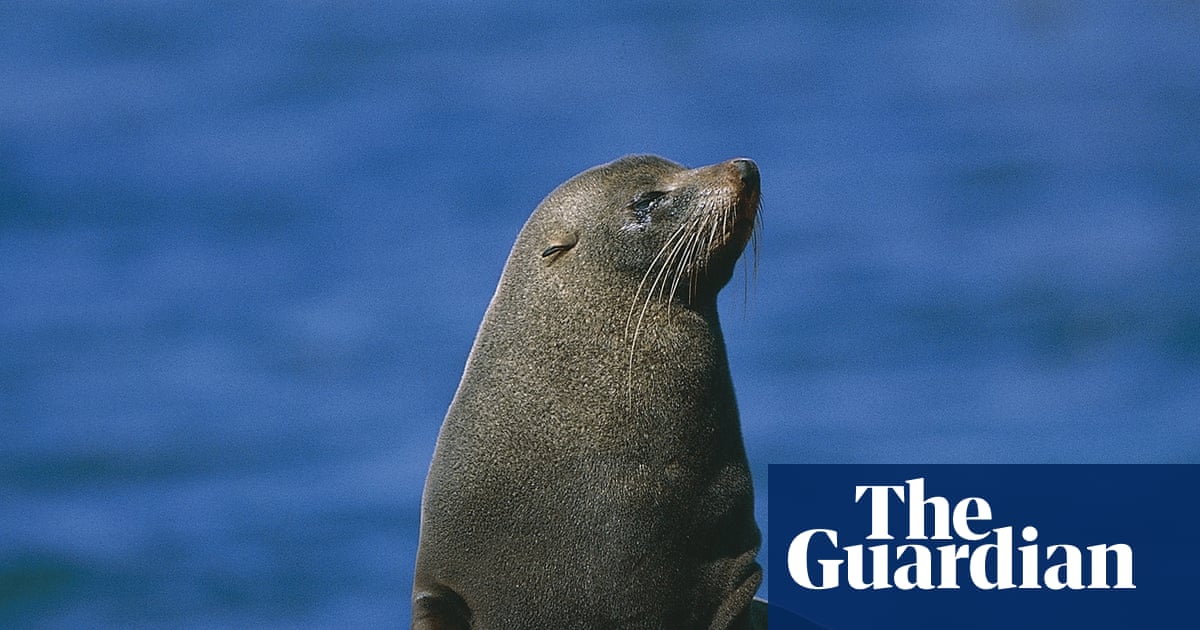
Australia’s seals and sea lions are facing a new disease threat after H5N1 bird flu was detected in a dead long-nosed fur seal in South Australia, according to reporting by The Guardian. A second dead fur seal is also suspected of carrying the virus, although testing was still pending.
The confirmed case involved a seal found at Beachport on the Limestone Coast. The suspected second case was found on the Pages Islands, off Kangaroo Island, where South Australian authorities have also reported mass deaths among greater crested terns.
The Pages Islands contain one of Australia’s largest breeding colonies of Australian sea lions, and long-nosed fur seals are known to visit the area. That proximity to seabirds has raised concern that the virus could reach nearby sea lion colonies.
John Woinarski, a mammal scientist at Charles Darwin University, warned that the effects could be severe, particularly for Australian sea lions, whose population is small. Experts generally estimate that about 12,000 remain, although one recent estimate placed the number below 10,000. Around three-quarters are found in South Australia, with the rest in Western Australia.
H5 bird flu has caused major losses among pinnipeds elsewhere. The Guardian reported that more than 17,000 southern elephant seal pups died in Argentina in 2023, while drone surveys recorded more than 13,000 dead pups on Heard Island in 2025 and 2026. Scientists have also reported high infection rates among sea lions and fur seals in South America and substantial mortality among elephant seals and Antarctic fur seals in the Southern Ocean.
Researchers say seals and sea lions may be exposed through infected birds, contaminated beaches or water, and contact with other infected mammals. Their habit of gathering in large colonies can increase the opportunity for transmission.
Rachael Gray of the University of Sydney said mammal-to-mammal spread could allow the virus to move more rapidly through a species. Jane Younger, an Antarctic disease ecologist at the University of Tasmania, said the overseas mortality figures made her concerned about Australia’s populations, while noting that it remained uncertain how local species would fare.
There are no registered vaccines for treating H5 bird flu in mammals. South Australian authorities are investigating whether high-priority animals, including Australian sea lions at Seal Bay on Kangaroo Island, could be vaccinated. Conservation advocates have also warned that an algal bloom and reduced food supplies may leave some animals in poorer condition and more vulnerable.
/https://tf-cmsv2-smithsonianmag-media.s3.amazonaws.com/filer_public/cc/a5/cca51174-4295-4234-b8d2-eab719894c73/screenshot_2026-08-24_at_171648.png)

