
Daily Weird News Report
Narwhals’ tusks may resemble giant spiraling horns, but their overall shape is remarkably straight. A new study reports that this unusual form results from two types of dental tissue twisting in opposite directions as the tooth grows.
The tusk is an enlarged left canine that passes through the male narwhal’s jaw and upper lip. It can reach about three meters in length, while the corresponding right canine generally remains inside the animal’s head. The tusk’s unusual appearance helped inspire its sale as a supposed unicorn horn during the Middle Ages.
To investigate how it develops, an international team of biologists, chemists and physicists examined tusks using advanced three-dimensional X-ray technology at three European synchrotrons. The researchers analyzed specimens held in museums as well as tusks collected by Indigenous Inuit communities in Greenland, where narwhals are hunted for food.
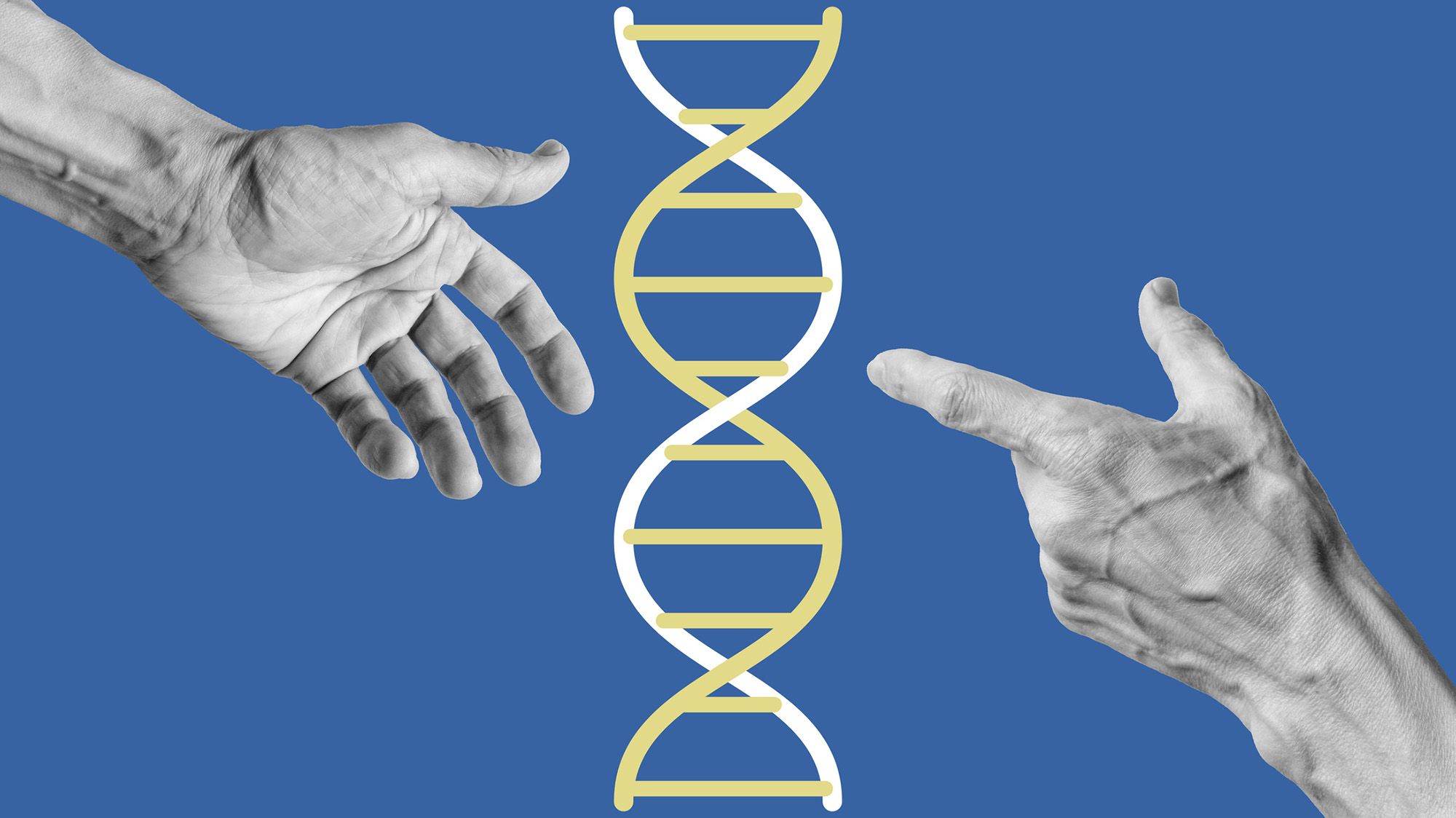
The scans showed that the inner dentin forms a right-handed spiral, while the outer cementum forms a left-handed one. According to the researchers, these opposing twists counterbalance each other, allowing the tusk to retain a straight structure rather than developing the pronounced curve seen in the tusks of animals such as elephants.
The team also identified growth layers within the tusks that resemble tree rings. These layers could provide information about individual narwhals over lifetimes that may extend to 80 years.
How narwhals use the tusk remains unsettled. Proposed functions have included hunting and sensing properties of the surrounding water, including temperature and salinity. The study’s authors consider those possibilities less likely because tusks are grown almost exclusively by males. They favor a role in competition and mating, citing observations of two males appearing to measure their tusks in front of a female.
Martin Nweeia, a narwhal-tusk specialist who was not involved in the study, disagreed with that interpretation. He said his previous research indicates the tusk primarily functions as a sensory organ system, while still describing the new work as a valuable contribution to understanding its microscopic structure and shape.