Daily Weird News Report
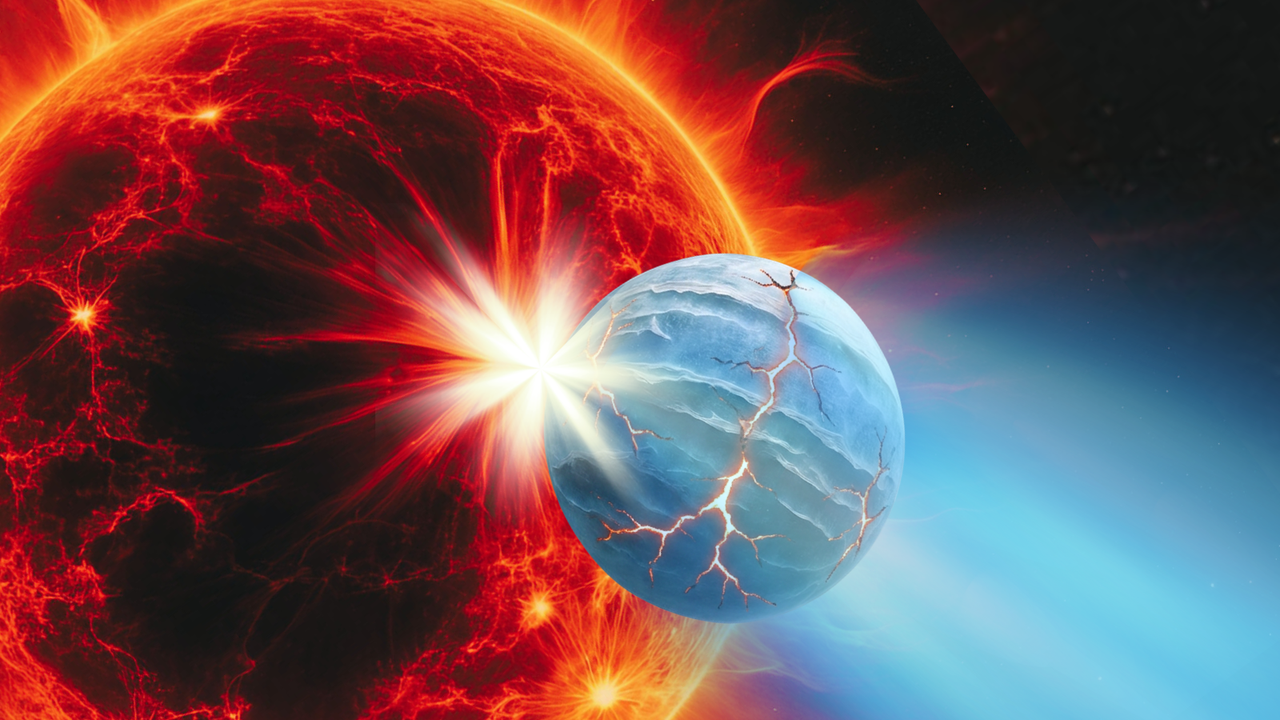
A proposed fleet of giant mirrors in orbit could make the night sky dramatically brighter in areas beneath their beams, according to a study led by Princeton University researchers.
The mirrors are being developed by U.S. startup Reflect Orbital, which says the technology could extend solar power generation into nighttime hours and provide illumination during disasters. The company has received a Federal Communications Commission license for a demonstration satellite, EARENDIL-1, scheduled to orbit about 373 miles (600 kilometers) above Earth. That spacecraft is designed to carry an 18-by-18-meter mirror.
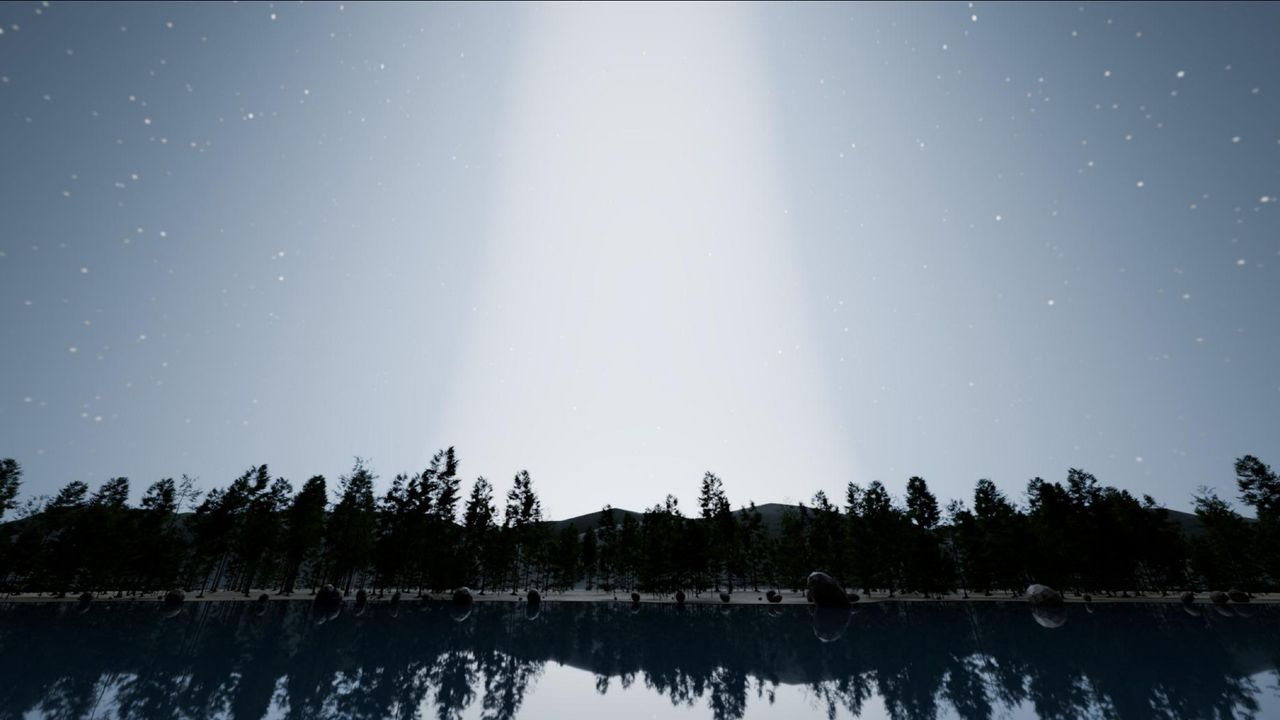
The researchers focused instead on the larger mirrors Reflect Orbital has proposed for future operations. Each would measure about 54 by 54 meters. Their calculations indicate that someone at the center of a single mirror’s roughly 5.4-kilometer-wide beam could see it shining at about 40 times the brightness of the full moon. The surrounding sky would resemble the dim, starless conditions shortly after sunset, according to the study.
Atmospheric scattering would spread the effect beyond the beam itself. The researchers calculated that the sky could remain brighter than a full-moon night nearly 14 kilometers from the beam, with a noticeable light-polluted area extending as far as 34 kilometers in the direction of the reflected light.
The potential impact would be much greater if the company’s proposed fleet of 40,000 mirrors were deployed. The study estimates that at least 400 mirrors shining simultaneously would be needed to generate useful power even for today’s most efficient solar panels. Their combined reflected light could reach 10,000 times the brightness of the full moon, although that would still be about 2.4% of the Sun’s brightness. The resulting sky glow could be visible from roughly 80 kilometers away.
Gaspar Bakos, a Princeton astrophysics professor and study co-author, said the effect could eliminate visible stars within the beam and produce conditions resembling twilight. The extent of reflected glow would also depend on the illuminated surface: forests might absorb much of the light, while snow, concrete and other reflective surfaces could spread it further.
Reflect Orbital told Space.com that the study relied on inaccurate assumptions. The company said most people would never see the light because its services would primarily support remote construction and solar projects, and that inactive satellites would remain too dim to see without equipment.
The FCC received about 1,900 objections to the application. The study has been accepted for publication in the Astrophysical Journal and is available on arXiv.