
Daily Weird News Report
Household cleaning products may leave behind more than a fresh scent. Research presented at an American Chemical Society symposium suggests that fragranced cleaners can help produce airborne nanoparticles at concentrations comparable to those associated with traffic emissions.
The findings came from a Purdue University team led by engineer Brendan Boor. Researchers used a purpose-built small house to measure volatile organic compounds, including terpenes, in several indoor and outdoor environments. Terpenes are the compounds responsible for many citrus, pine, thyme and lavender scents commonly added to cleaning products.
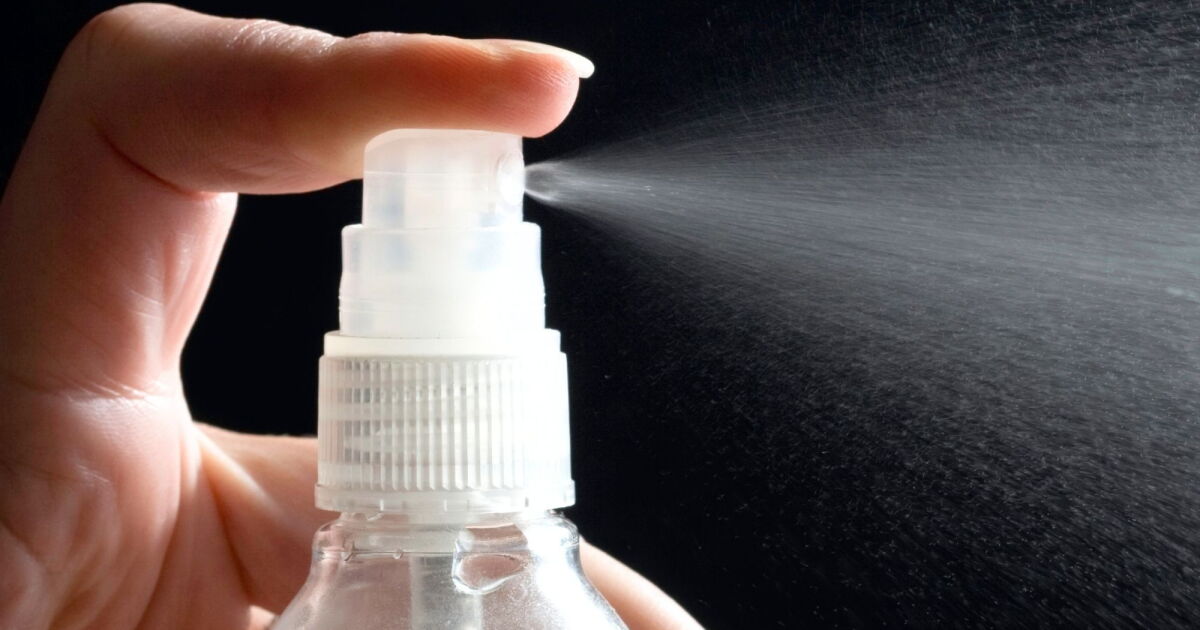
According to the presentation, spraying and wiping surfaces can raise terpene concentrations indoors. When those compounds encounter ozone, they undergo chemical reactions that produce nanoparticles. Ozone can be generated indoors by certain ionizing devices, including some photocopiers, ultraviolet lamps and air purifiers, the report said.
The resulting particles can be small enough to travel deep into the lungs and potentially enter the bloodstream. Boor said the team found that people may inhale substantial amounts of these particles by the time they finish cleaning an indoor space.
The comparison with traffic concerns the total particle dose rather than identical pollution. The particles formed from cleaning-product fragrances have a different composition from traffic-related pollution, and the researchers did not claim that the health effects are equivalent. However, the source reported that the particles may irritate the airways and contribute to inflammation.
The research does not suggest that cleaning or disinfecting is unnecessary. Instead, it raises questions about whether heavily fragranced products add avoidable pollutants to indoor air. The report noted that the particles are not necessarily visible as smoke, dust or haze; the room may simply smell clean.
As practical steps, the report pointed to opening windows, choosing lower-fragrance cleaning products and allowing more natural ventilation. The work was presented at the ACS symposium titled “Healthy Indoor Spaces: Bridging the Microbiome and Chemistry.”