Daily Weird News Report
A routine backyard construction project in Denmark has led to the discovery of the country’s largest known Viking Age silver hoard.
The anonymous homeowner found the treasure this spring while preparing ground for a new terrace in the municipality of Rebild. According to Live Science, the person noticed an unusual sound after striking something beneath the soil while removing grass, stones and gravel.
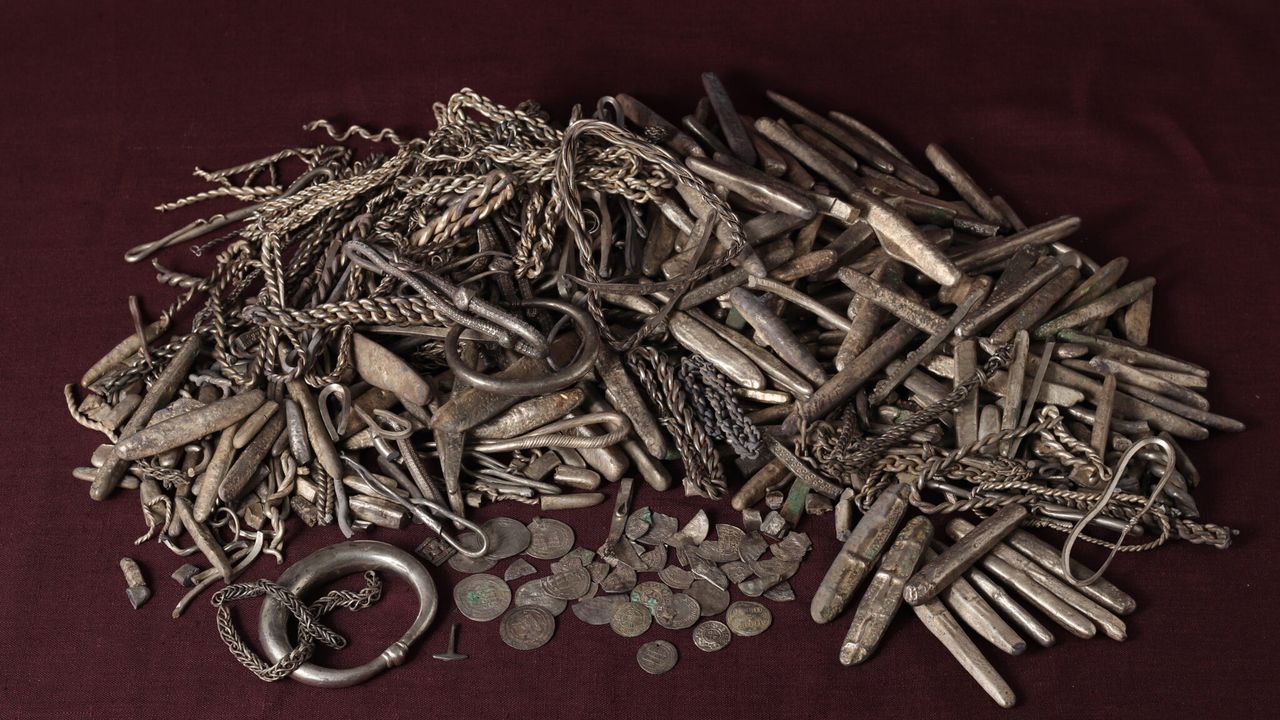
The buried collection weighs more than 40 pounds, or 18.5 kilograms, and contains approximately 700 silver objects. These include silver bars, jewelry, 47 complete coins, coin fragments and a small Thor’s hammer, an object often associated with protection and belief in the Norse gods.
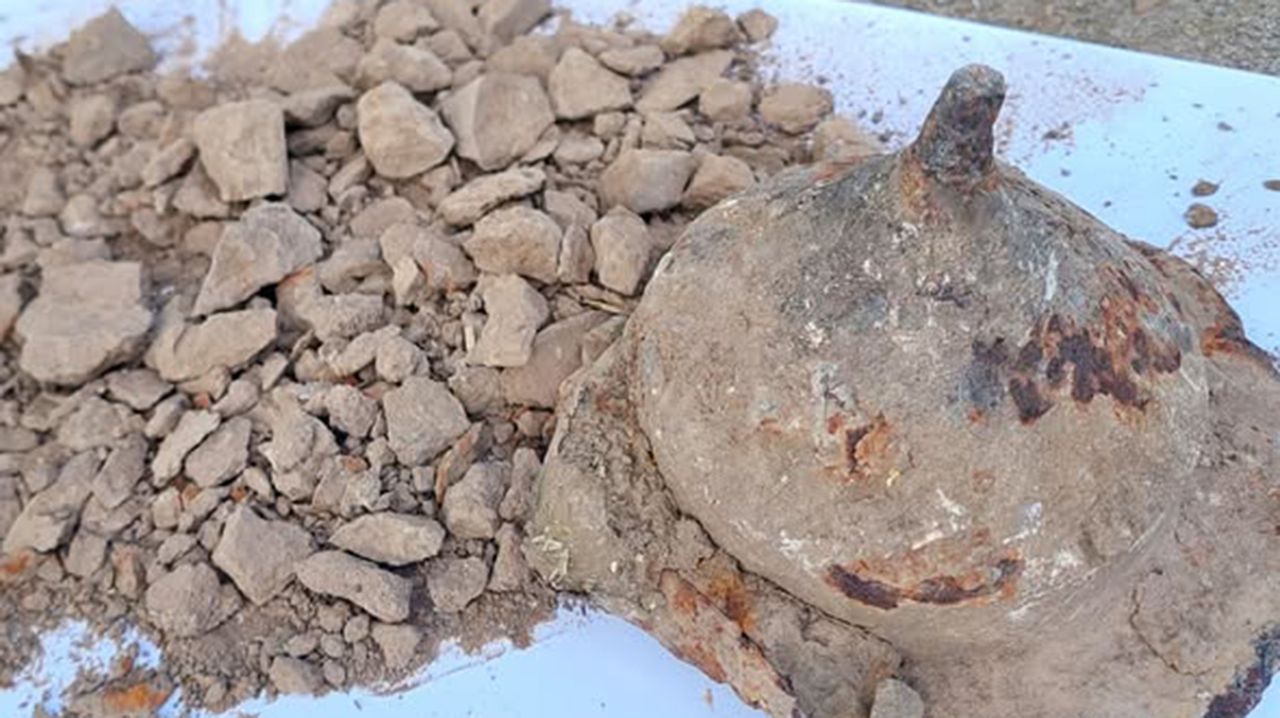
Around 320 items were inside a clay vessel. The remaining objects were found in the surrounding soil. Researchers say the hoard is nearly three times larger than Denmark’s previous largest known Viking Age silver hoard.
The objects provide clues about when the collection was assembled. Two Anglo-Saxon silver pennies were minted during the reign of King Edward the Elder, who ruled from 899 to 924, suggesting that the hoard dates to the 10th century. The collection also includes Islamic coins, reflecting connections between Viking Age Denmark, regions of Europe and areas farther east, according to Torben Sarauw, cultural heritage manager at the North Jutland Museums.
One silver bar bears an inscription in runes. The markings may read “hutu,” which could have been a person’s name or an owner’s mark, although that interpretation is not presented as certain.
The arrangement of the objects suggests the hoard was more than a random collection of valuables. Silver bars, bracelets and fragments can be grouped into specific weight categories, indicating that the items formed part of an organized system of wealth and payment. Sarauw compared the discovery to finding a Viking Age safe.
The reason the silver was buried remains unknown. It may have been concealed near a settlement, beside a road that no longer exists or in a secluded location. Major archaeological investigation would be needed to determine its original context, but such work is not possible in the developed area where it was found.
The hoard has been submitted for assessment at the National Museum of Denmark.
/https://tf-cmsv2-smithsonianmag-media.s3.amazonaws.com/filer_public/cb/7b/cb7bd306-9a69-40e6-a11f-785d40ffd523/w020260827331834563059_origin.jpg)
/https://tf-cmsv2-smithsonianmag-media.s3.amazonaws.com/filer_public/cf/76/cf765078-a38b-45cd-a0a4-f8fce65f01e3/image001_uzjyo2e16d0bafill-3200x1620-c100format-avif.jpg)